- Home
- How to play




How to play chicken subway casino rules and strategy - gameplay guide
If you're jumping into the arcade-flavored slot, play slow and get a feel for the pace: typical returns hover near a 95–97% RTP and the game feels medium-to-high in variance, so long dry spells are normal before a winner. In Chicken Subway aim small early – minimum bets commonly start around $0.10–$0.50 at many casinos, though some lobbies set $1 as their floor – and segment sessions into 30–60 minute runs with clear stop-loss and target-win rules to protect your bankroll while chasing bonus sequences and the occasional free spins round.
Gameplay is straightforward: spin, watch paylines or clusters, and trigger bonus thresholds for the feature rounds while paying attention to wilds that lock or expand to create bigger combos. Don’t skip the help screen since the chicken subway rules spell out how symbols pay and how bonus entry works, which matters more here than simply upping your stake. Also check the in-game menu because chicken subway features like respins, cascading wins or a buy option change session pacing and the risk profile for each spin.
Adjust bet sizing after a short learning session once you understand the chicken subway volatility and whether you prefer steady play or high-variance shots with bigger swings and multipliers driving the big payouts. Inspect the machine’s info and the chicken subway paytable before committing real money so you can map which symbols pay biggest and size bets to avoid busting through your bankroll during variance spikes; factor in casino bonuses, promo codes, deposit and withdrawal speeds, KYC rules and support responsiveness when choosing where to play. Keep your sessions disciplined, use modest stake increases after wins rather than chasing losses, and contact support if any bonus/withdrawal detail is unclear.
How to Play Chicken Subway – Variance Management
Focus your pre-game plan on managing swings rather than chasing single big outcomes: adopt a measured chicken subway strategy that treats each spin as a sample within a session. Size your bankroll into session units and decide a loss limit and a conservative profit target before you start, because the objective here is longevity and extracting value across many rounds. Remember that features like multipliers can inflate single-round results, but they should not be the basis for aggressive stake increases unless your session bank can absorb long cold stretches.
Start every session by checking the stated RTP and ensure that your unit stake aligns with a sensible number of rounds you want to play: a higher number of spins reduces the chance of being bankrupted by variance. Use fixed bet increments and avoid erratic jumps; this stabilizes your standard deviation over time and lets you observe signal patterns from wins and dry spells. Keep playtime predictable and log outcomes for a few sessions to estimate practical hit rates versus theoretical numbers.
Before changing stakes or chasing a streak, consult the chicken subway paytable to understand which symbols drive the biggest payouts and how often bonus triggers tend to fire. Knowing where the large payouts are concentrated helps you choose bet sizes that match potential payout frequency and the occasional high-value event. If the game gives bonus-triggered free spins, treat them as intermittent high-var events: they can justify a temporary uptick in risk only when your session bank supports it.
Finally, accept that short-term results are noisy and that chicken subway volatility will dictate how quickly your balance can swing. Use stop-losses, scale bets up only after locked-in profits, and consider cashing out increments when you hit target gains rather than holding for an elusive top outcome. Discipline in stake management and respect for variance will turn the game from a brutal luck sprint into a controllable exercise in risk allocation and patience.
Variance Profile Overview
Understanding a game's variance profile is central to managing session risk and preserving bankroll longevity. A clear variance overview explains expected swing amplitude and frequency so players can size bets to fit loss tolerance and target session goals. In practice, reading payout patterns and adjusting stake tiers ahead of volatile runs reduces the chance of hitting the ruin point; this is especially important when marketing or community chatter highlights unusual payout rhythms like chicken subway volatility.
Good variance management focuses on cadence rather than chasing short-term wins. That means setting stop-loss thresholds, staging bet increases only after confirmed positive streaks, and allowing for dry spells without overcompensating. Establishing session windows and calibrating bet units to a fraction of total roll helps maintain playability; psychological discipline in these moments is as important as any statistical readout when coping with pronounced swing behavior.
Players should also learn to interpret in-game signals that suggest changing risk profiles and adapt their approach accordingly. Monitoring hit size distribution, bonus trigger separations, and payout clustering informs adjustments to unit size and frequency of play, shaping a defensible chicken subway strategy that reduces implosive losses. Staying attuned to whether wins come as many small hits or rare large jackpots guides how aggressively to pursue expansion versus locking in incremental gains.
Concrete variance-management tactics include trimming bet volatility after large wins, lengthening cooldowns during long cold stretches, and prioritizing sessions where bankroll volatility matches personal tolerance. When a title’s mechanics suddenly broaden or narrow payout ranges, re-evaluate staking plans and consider methods like scaling down maximum bets or shortening session time to protect capital while learning the title’s behavior, and account for unique chicken subway features when tailoring those limits.
Optimal Wagering Tactics – Variance Management Focus

Successful wagering hinges on treating variance as a controllable parameter rather than an unpredictable enemy. Break your bankroll into discrete units tied to session length and expected swing magnitude, then size each stake as a small percentage of remaining funds so that losing streaks do not consume capital before a statistical edge can play out. Session planning and disciplined stop-loss and take-profit points convert abstract volatility into actionable limits that preserve long-term playability.
Quantifying the game's dispersion helps set those unit sizes intelligently: review observed hit frequencies and payout swings to estimate short-term risk, and use that to adjust bet increments and tilt thresholds. In games where documented dispersion is high, explicitly reduce your fraction per bet and extend session duration to smooth outcomes; this is particularly relevant when players reference chicken subway volatility as a deciding factor in whether to adopt aggressive or conservative staking.
Read the visible structure of payouts and use that to align stake patterns with return profiles rather than chasing rare top wins. A deep look at the machine’s arrangement of prizes can change how you pace bet increases: when high payouts dominate the ladder, maintain low base bets and only step up after small wins that replenish units, reflecting careful consideration of the chicken subway paytable. That alignment preserves bankroll during long cold runs while giving room to capitalize when variance finally swings your way.
Concrete tactics that fit variance-aware wagering include fixed-fraction staking, volatility targeting where bet size scales inversely with recent drawdown, and predefined session goals to lock in profits or halt erosion. Test these rules in short practice sessions to calibrate how often you should escalate or revert to minimal stakes, then codify them into a consistent chicken subway strategy so emotional reactions to streaks don’t override mathematically prudent sizing. Over time, that discipline converts variance into an operational parameter you manage rather than suffer.
Core Round Regulations
Regulators treat bonus rounds as distinct game states with specific obligations: operators must document trigger conditions, probability models and how base-play outcomes feed into bonus entry. Detailed consumer-facing rules often require publication of how many symbols or events are needed to reach a bonus, and some jurisdictions mandate that the operator make the complete chicken subway paytable available to players or regulators so that prize distributions are transparent.
Independent testing bodies and internal controls are expected to validate both the randomness and the deterministic mechanics that execute when a bonus begins. Audits verify that no hidden inputs alter award schedules mid-round and that round resets cannot be exploited by session-layer manipulations. Reporting requirements commonly include logs of feature activations, timestamps and outcome hashes to support dispute resolution.
Feature mechanics oversight
Regulatory scrutiny extends to how bonuses interact with other game elements: whether bonuses can stack, if secondary triggers persist across free rounds, and the permitted behavior of respin chains. Certification standards require that any unique interaction introduced by chicken subway features is described in plain language and that edge-case behaviors–like partial fills or aborted cascades–are deterministic and reproducible under test harnesses. Operators must also cap or clearly define any chained awards such as multipliers to avoid misleading payout expectations.
Consumer protection rules often set limits on how feature frequency is communicated in marketing and demand explicit disclaimers when a bonus is conditional on wagering or promotional tiers. Payout caps, maximum simultaneous bonus entitlements, and the means by which a bonus can be voided for fraud are typically part of licensing conditions. Auditors will confirm that the awarded amounts promised in gameplay match rolled results and that rollback mechanisms are rare and logged. Final compliance statements should emphasize that regulated mechanics are subject to ongoing review, with remedial measures outlined for any deviation in chicken subway volatility.
Payout Structure Conclusion
In a payout structure breakdown, expect a mix of modest frequent wins and occasional larger awards; know typical payout expectations, hit rates, RTP and maximums before you play. Consult the chicken subway paytable to understand individual symbol values, bonus payouts and multiplier behavior so you can size bets realistically.
Variance will shape session feel – some sessions can seem calm while others swing abruptly, so watch session run length, changing win frequency and how often bonuses trigger. Understanding chicken subway volatility helps set expectations for bankroll swings and informs how aggressive or conservative your bet sizing should be.
Always choose licensed casinos and check safety signals such as clear licensing information, audited RTP disclosures, independent testing seals and secure payment options before depositing, and practice deposit limits, stop-loss, session timers and cooldowns to keep play conscious. For actionable pointers while you learn, refer to chicken subway tips, and consider available bonuses or promo codes and new slots at reputable sites as a practical way to extend testing without overstating outcomes; compare offers carefully.
Q&A:
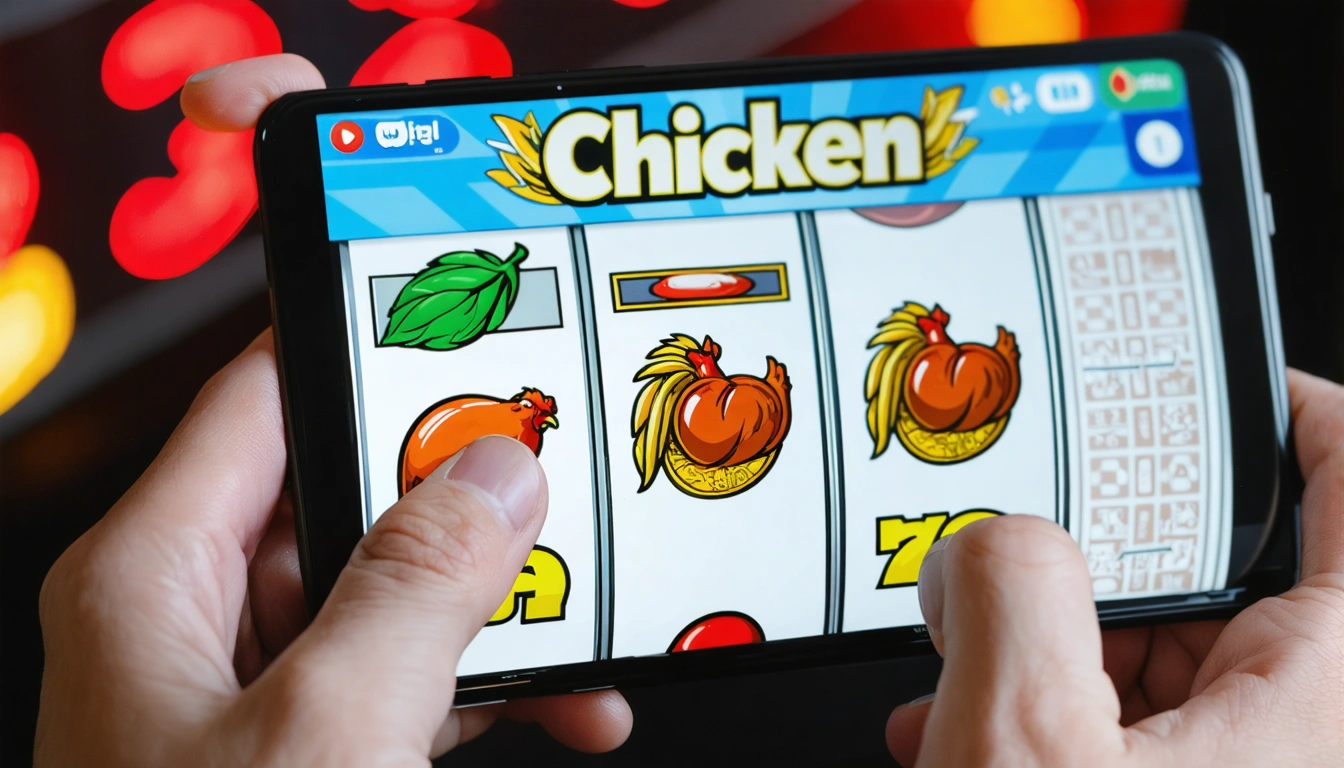
How do I start playing Chicken Subway?
Open the game, choose your bet level and coin size with the on-screen controls, then press spin to set the reels in motion. Observe the symbols and any bonus indicators that appear during play. For a quick overview consult the chicken subway guide found in the game menu.
What are the basic rules of the game?
Wins form by landing matching symbols on active paylines according to the payline layout shown in the help screen. Special symbols like scatters and wilds trigger bonus effects and can change usual payout paths. For full details consult the chicken subway rules section to learn exact trigger conditions and payline counts.
How do I know what each symbol pays?
The symbol values and any multipliers are displayed on the paytable so you can see which combinations pay the most. The table also explains payouts for bonus symbols and feature-triggering icons. Review the chicken subway paytable before you adjust bets to know which symbols matter most.
Any quick tips to improve my sessions?
Begin with smaller bets to learn how feature timing and bonus triggers behave, then raise stakes as you gain confidence. Keep an eye on session length and stop when you reach preset limits to protect your funds. The in-game chicken subway tips can offer reminders about common feature interactions.
What special features and volatility should I expect?
The slot typically offers wilds, scatter-triggered bonus rounds, and free spins that can amplify wins during feature play. Volatility influences whether wins arrive frequently at smaller sizes or less often but larger, so pick stakes that suit your comfort level. Watch feature animations and in-game stats to judge how often bonuses appear in a session.
What is Chicken Subway?
Chicken Subway is an arcade-style slot game where a chicken advances through subway-themed stages to unlock rewards, and spins determine symbol matches and bonus triggers.
How do I start a round?
Select your stake and press spin; each spin may award wins, trigger bonuses, or advance the chicken, and on-screen indicators show active features.
